














10 tips for optimal drinking water hygiene
Pure enjoyment of drinking water
1. Reasons for a deterioration in quality
A deterioration in drinking water quality can occur, among other things, due to the pipework installation, through contact with unsuitable materials, stagnation in less-used sections of pipework and / or undue warming. If these factors are disregarded in a drinking water installation, the growth of bacteria is encouraged.
This can lead to harm to health up to and including a danger to life and limb.
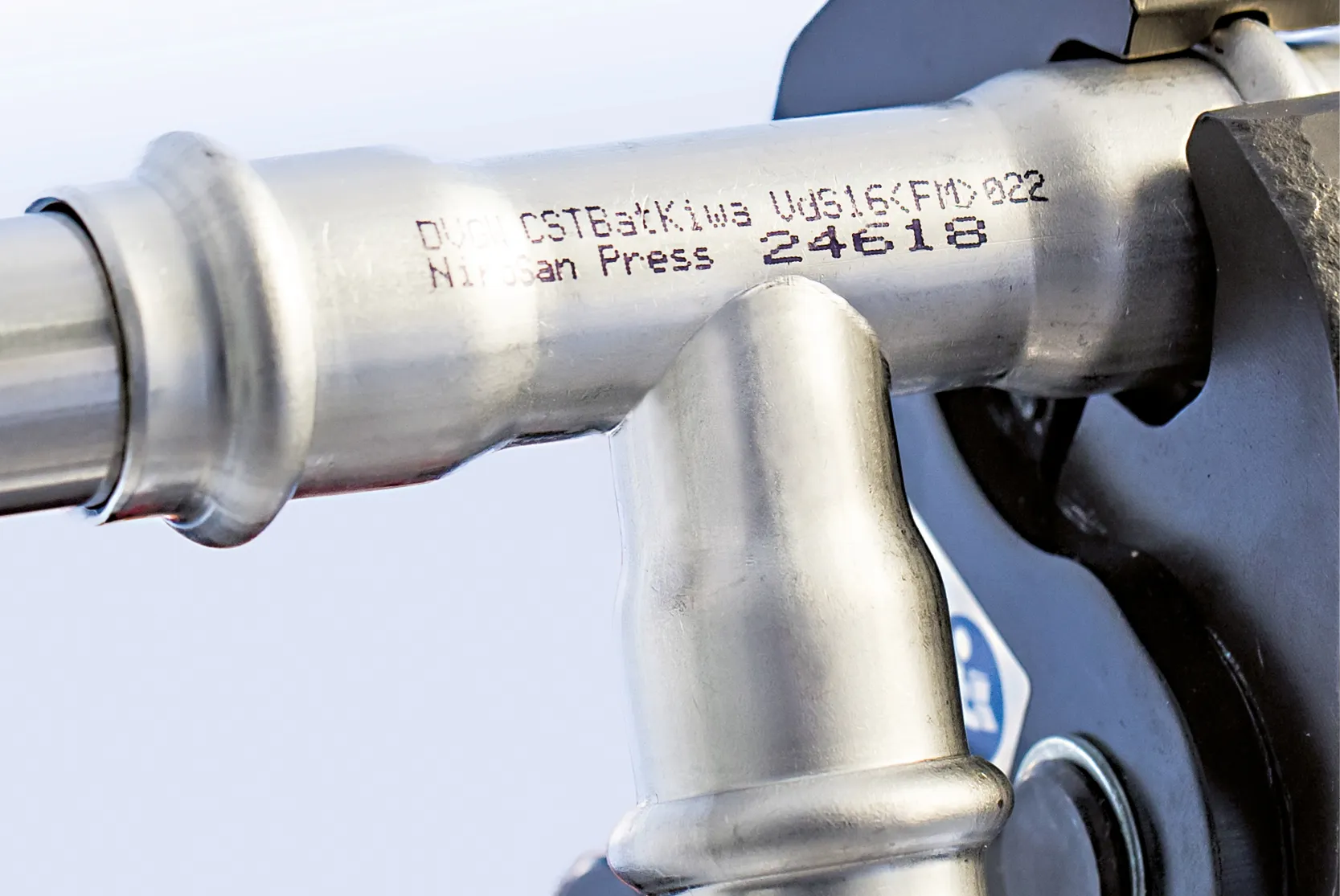
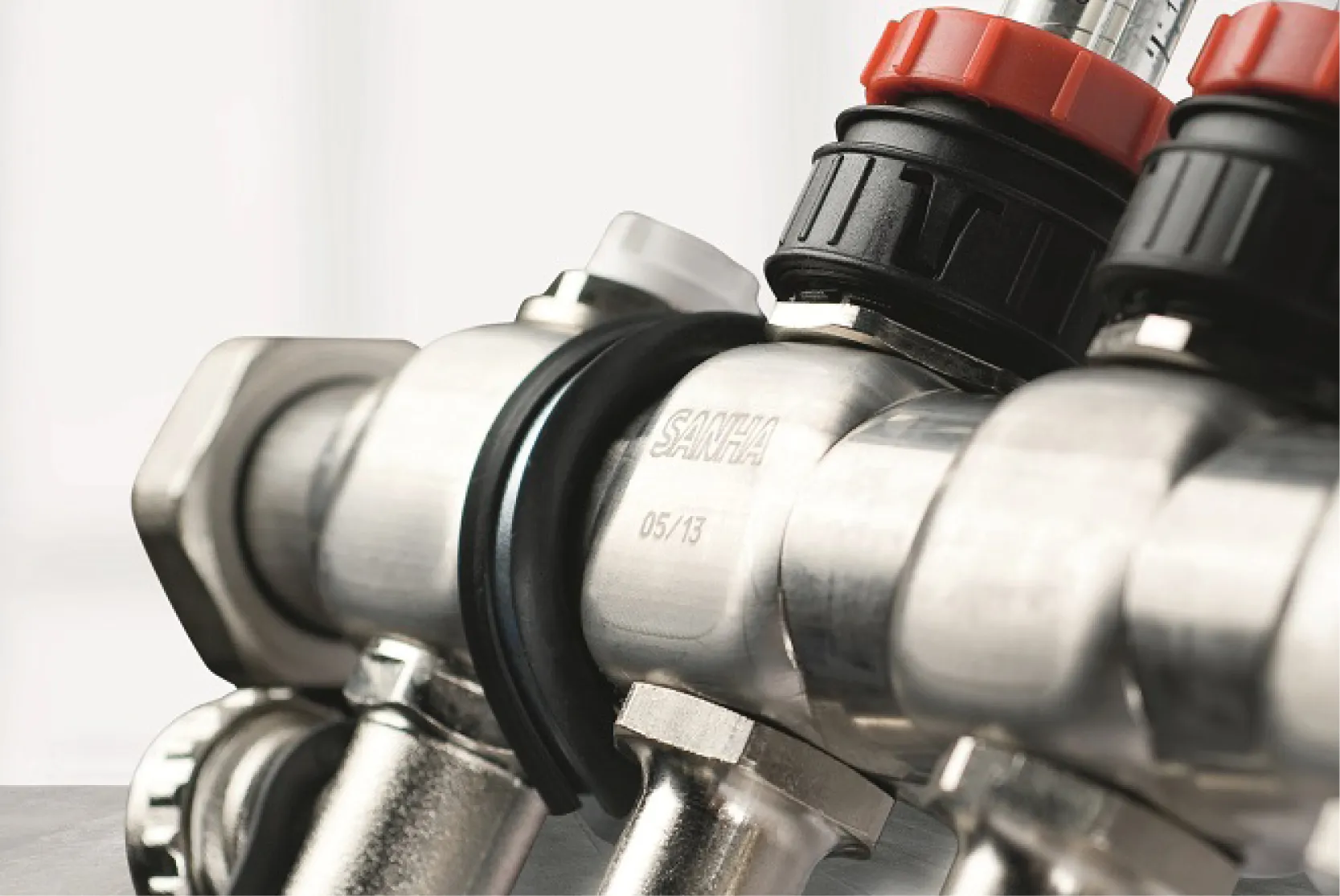
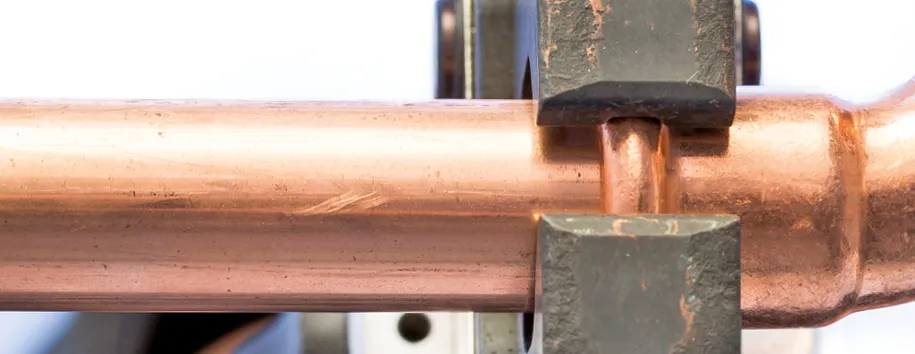
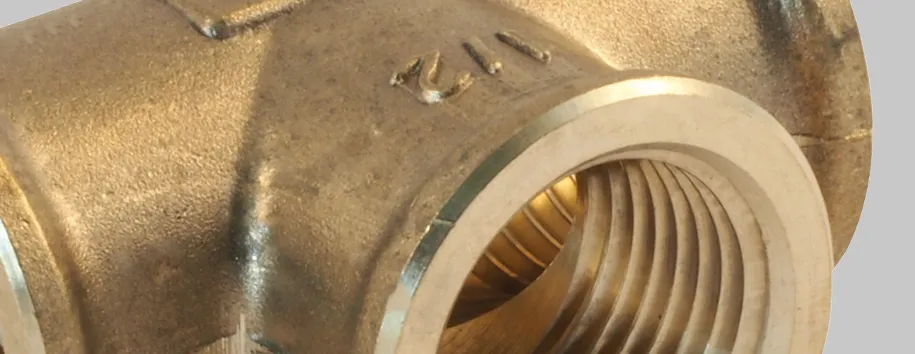
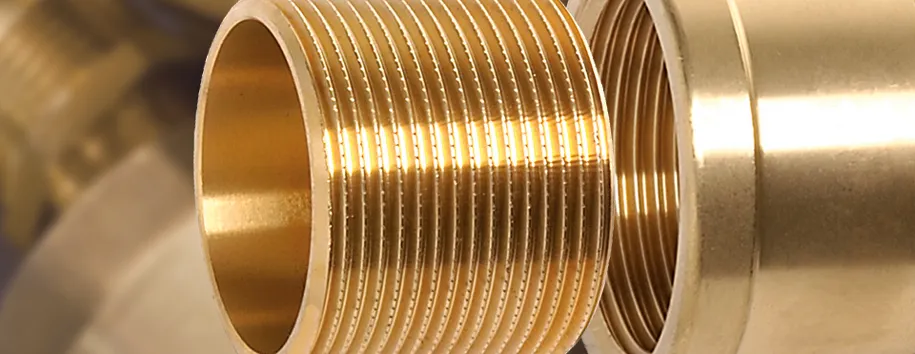
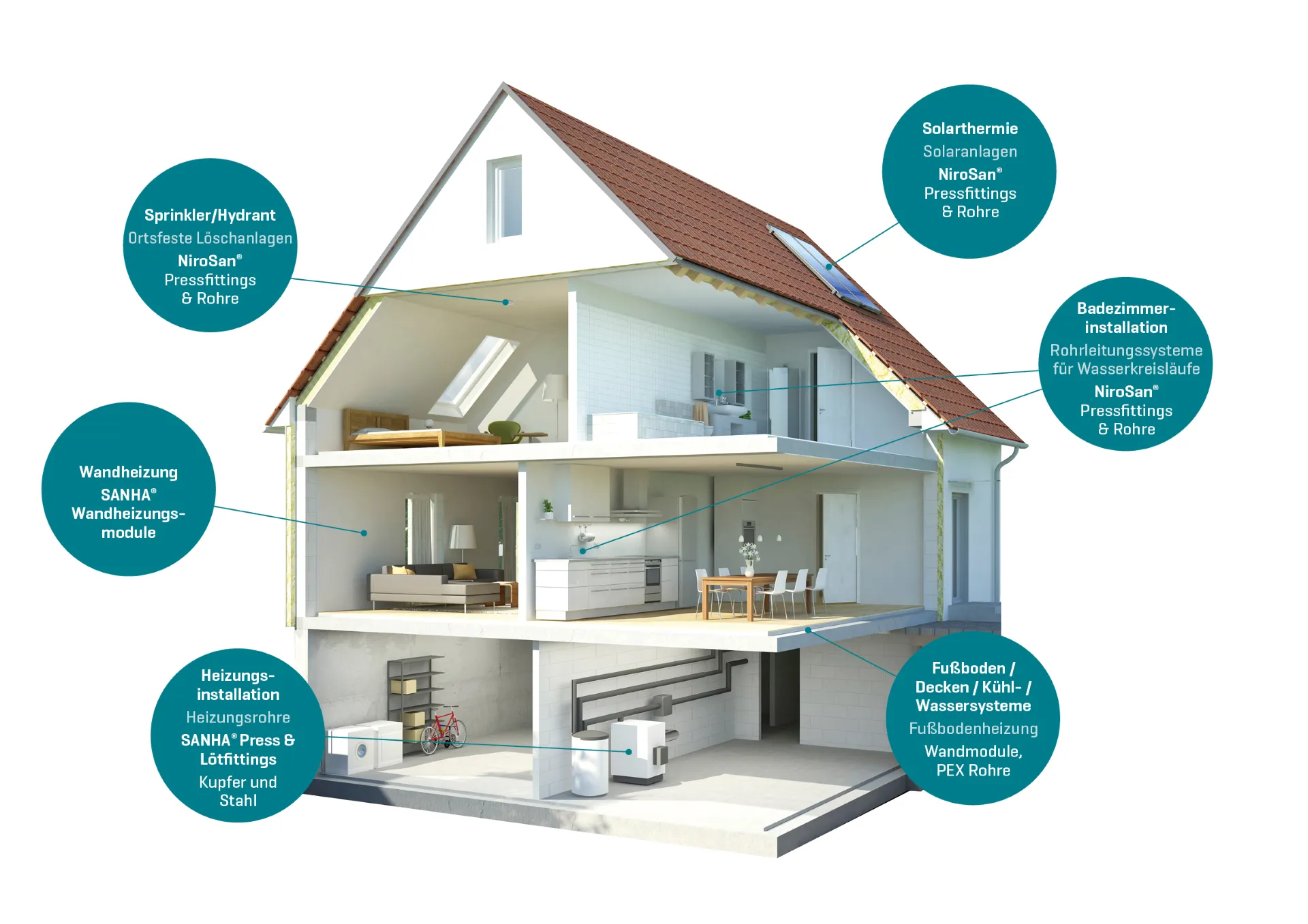
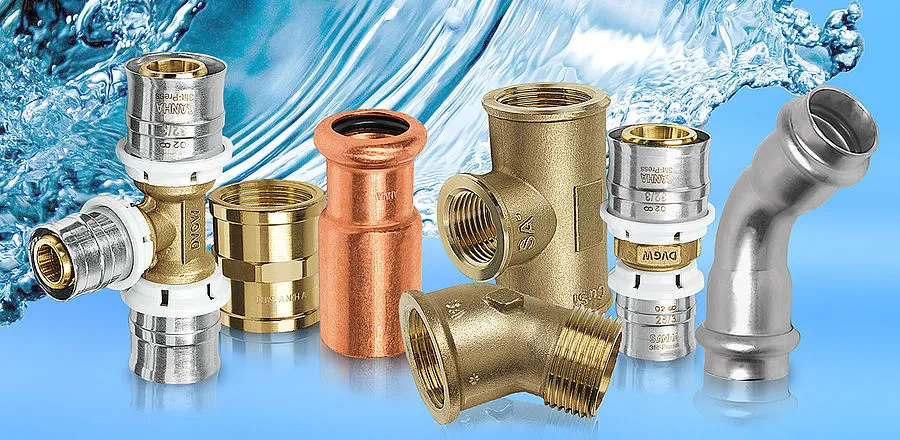
Pipework systems from SANHA® fully meet the high requirements placed on the material used. Depending on the application and the composition of the drinking water, systems made of premium stainless steel, copper, lead-free, silicon-containing copper alloys and/or plastic are available from us, which always enable a needs-based solution and ensure optimum protection of drinking water quality.
Besides the material for fittings and pipes used in drinking water installations, the installation technique also plays a very important role. In addition to the correct selection of hygienically suitable materials and system components, a system design tailored to hygiene is, of course, a basic prerequisite for the quality, durability and sustainability of a drinking water installation. In recent years, as a result of scientific studies, it has become increasingly clear that bacteria from drinking water are responsible for far more infections than had previously been assumed.
Therefore, engineers, installers and operators must increasingly turn their attention to this „microbiological problem“ in order to ensure hygienically sound, pure drinking water at the points of use at all times. The following explanations are intended to provide planners, installers and operators with a general overview of the indicator bacteria relevant to drinking water installations, hygienically appropriate installation methods and proper commissioning.
2. Lead-free drinking water installation
The importance of lead-free materials is increasing due to current regulatory developments – and action is urgently required. With the revised EU Drinking Water Directive, the recast of the ECHA list (see below) as well as the imminent, step-by-step adjustment of national regulations, the requirements for materials in contact with drinking water are being tightened once again. Numerous previously permitted (copper) alloys will then no longer be allowed in the drinking water sector, and even placing them on the market for this purpose will not be permitted.
Designers, installers and operators must already take these requirements into account in new-build, renovation and modernisation projects. An early switch to suitable lead-free materials provides planning and investment certainty, avoids later retrofits and supports long-term compliance with legal requirements, since stock rotation can take several years.

3. Indicator bacteria for assessing drinking water quality
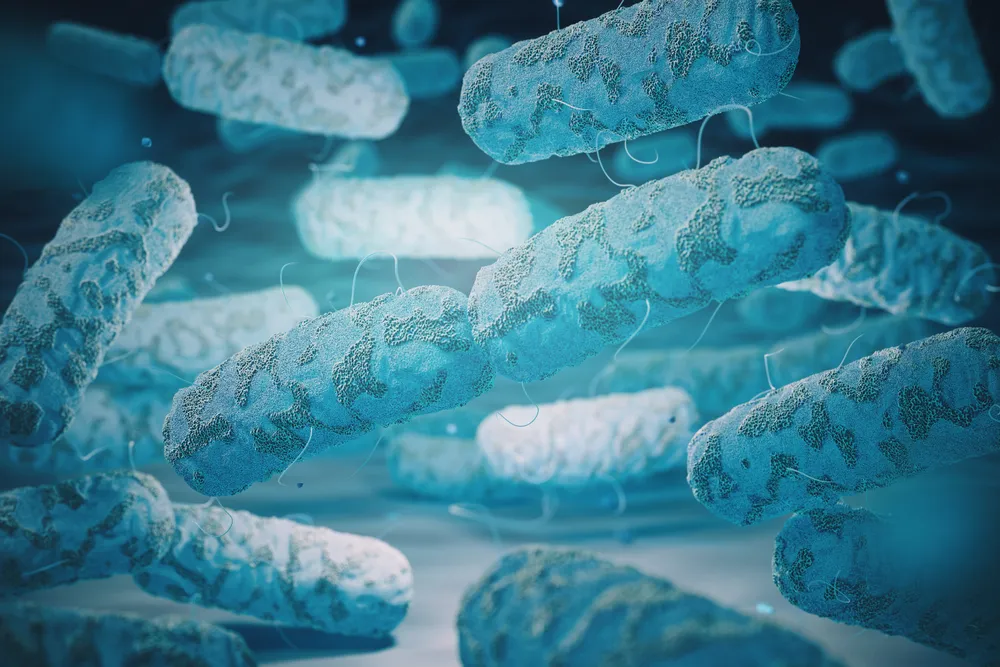
Legionella
Coliform bacterium (E. coli)
This bacterium occurs in the human and animal intestine; it does not belong in drinking water. However, there are repeated reports of contamination. Especially in rural areas with intensive agricultural use, it can enter groundwater. Among other things, the bacterium causes gastrointestinal complications, appendicitis and peritonitis. A similar effect is seen with another faecal germ, enterococci - they also have a particularly long lifespan.
Pseudomonads
This bacterium is a cold-water germ. Pipe sections with particularly poor or infrequent flow can be affected. These occur in improperly planned or older pipework systems (stagnation). Risks: pneumonia or urinary tract infections.
Biofilm
Biofilms are not a bacterium or single microbe, but a layer that provides nourishment for other organisms. Therefore there is no limit value for biofilms, only for certain germs. They form in a very short time in every pipeline. They are not harmful to health in every case. On the contrary, they partly protect the inside of the pipe and even help to keep the water clean. The formation and composition of the biofilm also depend on the pH value and the water temperature. However, they also favour the colonisation of bacteria hazardous to health such as Legionella (see above).

4. (Organic) materials in drinking water installations
- KTW guidelines, which contain hygiene requirements for plastics and silicones,
- Coating guidelines
- Elastomer guidelines
Lubricant guidelines as well as the de minimis guidelines are used to assess substances that occur in small quantities and normally do not enter the drinking water. This includes catalysts and initiators, surface treatment of yarns and fabrics, solvents for additives and other auxiliaries.
From 21 March 2021, the KTW Guideline will be replaced by the "Assessment basis for plastics and other organic materials in contact with drinking water". However, due to the COVID-19 pandemic, the transitional provisions have been extended by two years. The UBA assessment basis for metallic materials is already binding.
In particular, when using organic materials it must be ensured that they do not provide a breeding ground for microorganisms. Such organic materials include EPDM seals. All organic materials used by SANHA® for seals therefore regularly undergo the required chemical and microbiological tests at MPA Dortmund in accordance with DVGW Worksheet W 270.
This continuously ensures that only materials of the highest quality are used in SANHA® installation systems and that any adverse effect on drinking water quality is ruled out.
5. Optimal materials & systems
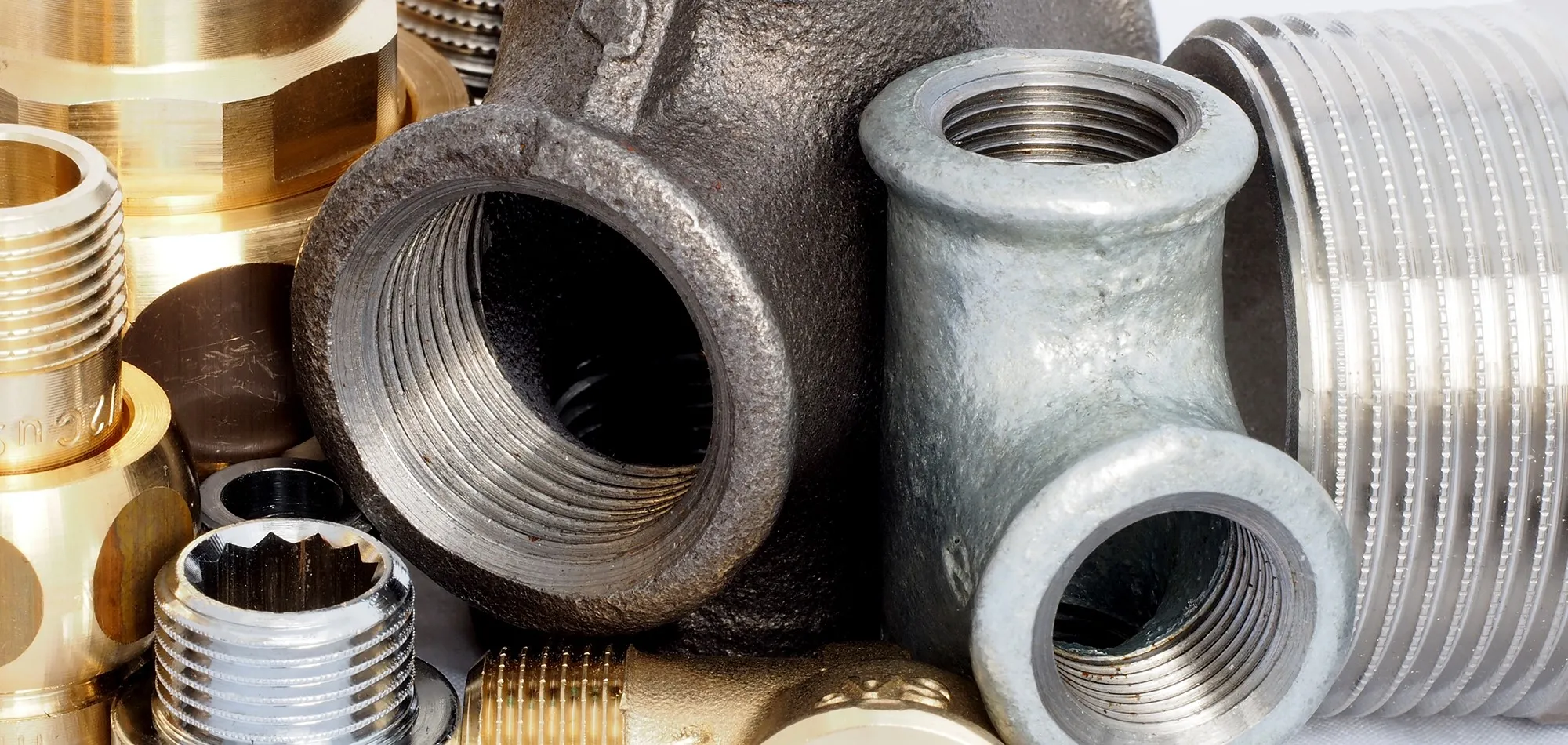
- flow-optimised bends,
- tees and threaded connection fittings,
- wall elbows or wall plates,
- double wall plates made from the premium materials CuSi and stainless steel
6. Intensive cooperation by all parties involved
Basically, yes. Nevertheless, the importance of cooperation cannot be stressed often enough, because not only is there a lot to consider, but there is also a lot at stake.
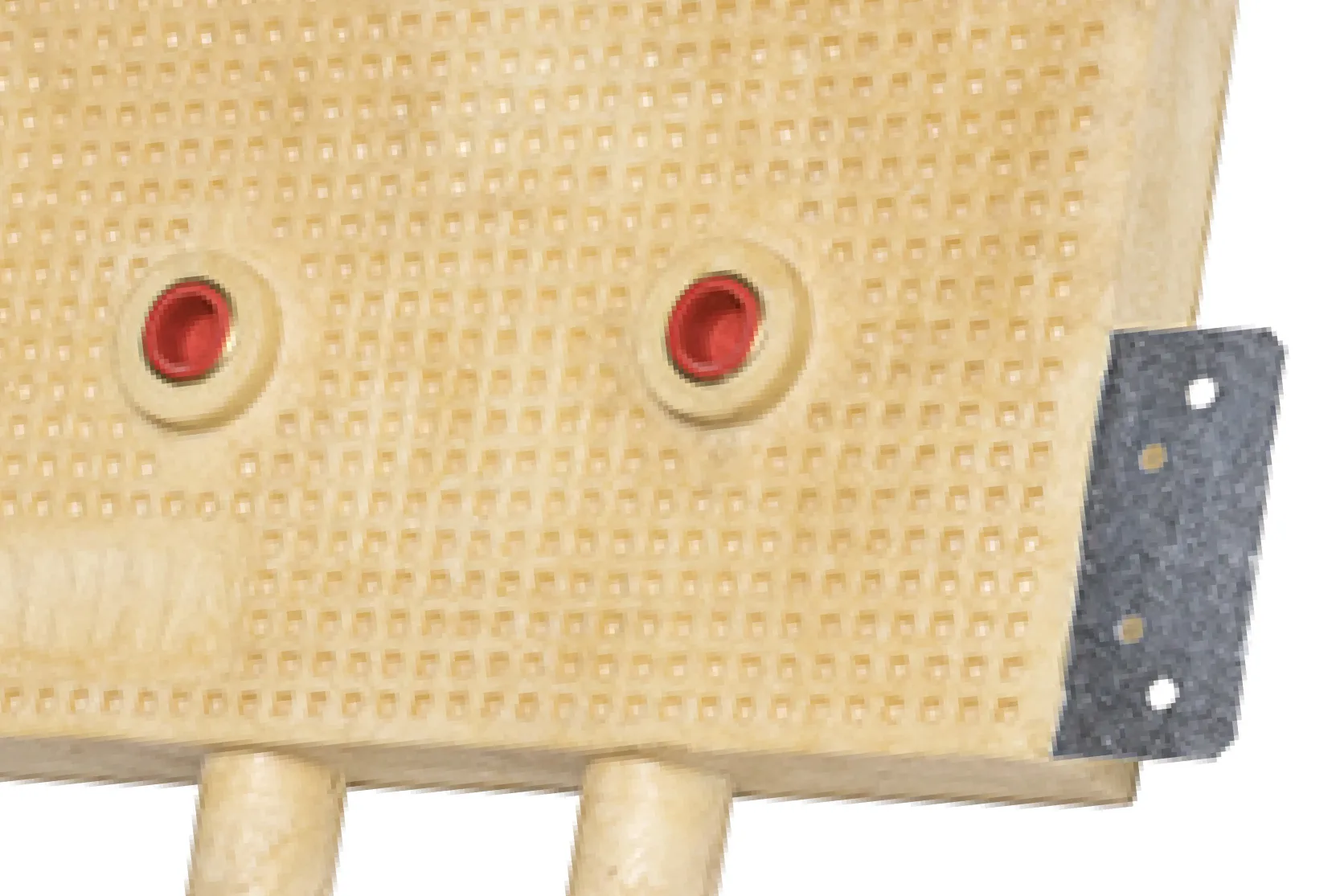
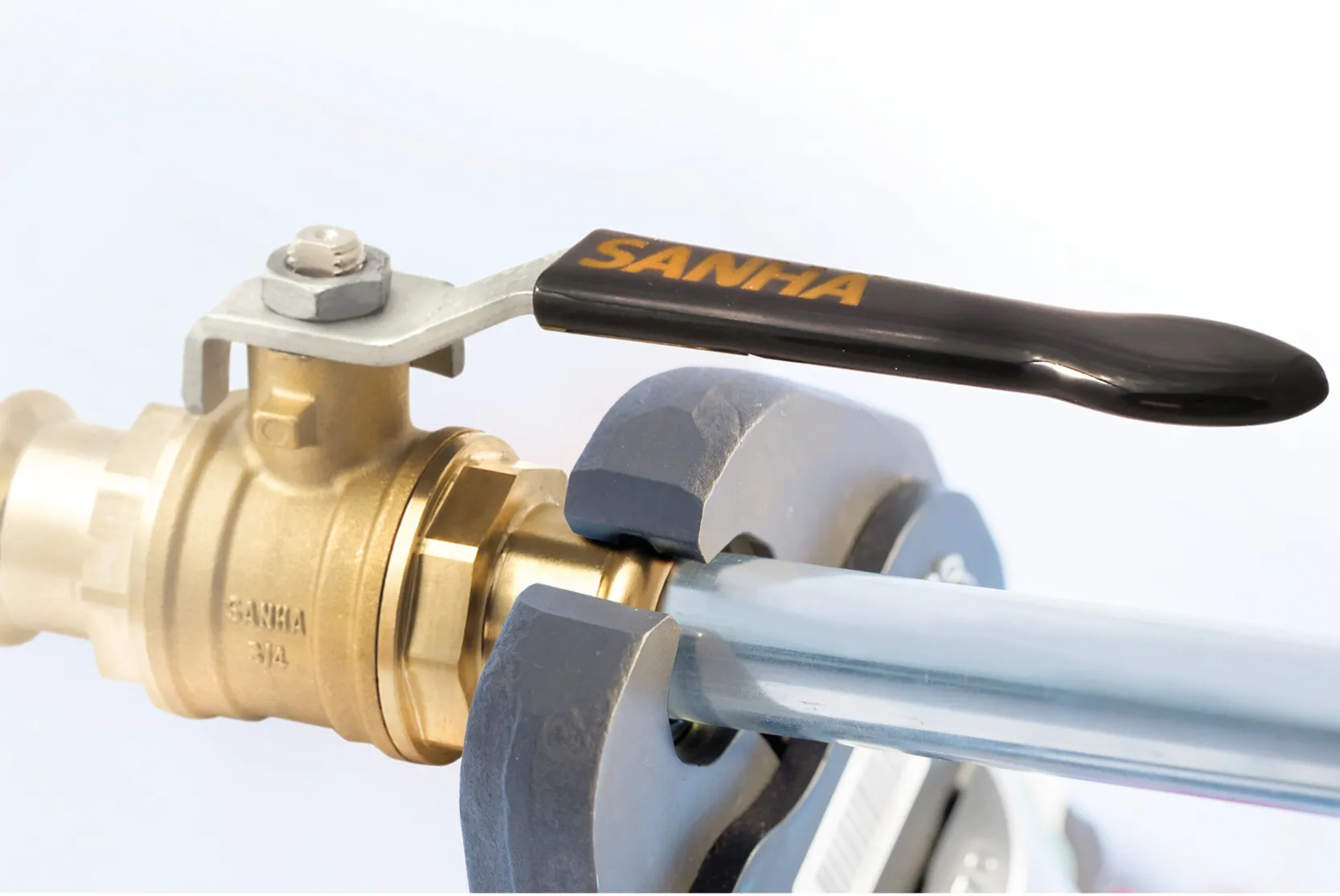
Everyone knows the phenomenon: all parties actually work well together, but at some stage or in a sub-project everyone assumes that someone else is responsible or will take care of it – and then no one does. This can be easily avoided – and everyone, whether planner, installer, site manager or client – should be aware of this in advance. After all, according to the Infection Protection Act (IfSG), ‘water for human consumption […] must be of such a quality that its ingestion or use is not expected to cause harm to human health, in particular through pathogens’. The installation includes not only the pipes and fittings, but also the shut-off valves, water storage tanks, the draw-off points, taps and much more. It is about the correct type of installation (e.g. loop installation with double wall plates), ensuring sufficiently high temperatures in operation, complying with a minimum period for water exchange, geodetic height, diversity factor, etc., and responsibility for this lies primarily with the installer and the planner.
Drinking Water Ordinance, DIN, DVGW, ZVSHK...
On top of this, the laws, regulations and technical rules are not always entirely straightforward. In addition to the Drinking Water Ordinance and DIN EN 806, DIN EN 1717 (protection of drinking water against contamination) applies, as well as in certain cases – of course not in all – national extension standards such as DIN 1988-100 to -600. There are also the DVGW W rules, VDI 6023, ZVSHK information sheets, etc.
It therefore makes sense not to rely on one party and their elephant memory, but quite simply to ask. Ideally, there is a written plan for this. The importance of close cooperation is also underlined by the fact that inadequate drinking water quality constitutes a criminal offence under the currently valid Drinking Water Ordinance. In addition, DIN EN 806 (technical rules for drinking water installations) stipulates that an installation must meet the functional requirements for a calculated service life of 50 years, must not cause damage and must not endanger health.
This alone leads to the necessity, for every type of drinking water installation – not only for hotels, the catering sector, hospitals, care homes or similar facilities, but also in single-family homes – to exercise the utmost care with regard to hygienic aspects. Therefore, the following also applies here: Those who speak up can be helped!
7. Reducing stagnation times
Due to typical usage, stagnation times in drinking water installations can never be completely avoided, but they can be minimised through correct sizing and arrangement of the pipework and terminal connections. To this end, it is important to size the pipe system to suit demand so that adequate turnover of the water in the system already occurs during normal operation. A prerequisite for this is an exact pipe network calculation taking into account the actual individual resistances and a specified diversity factor adapted to user behaviour [1].
8. Loop and ring main
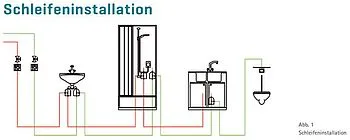
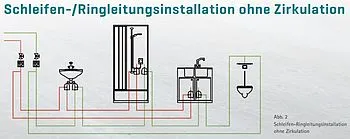
9. Hygienically sound tightness testing
They clearly stipulate that a tightness test with water must not be carried out if, after the pressure test, longer stagnation times are to be expected, the pipework cannot be completely drained, the pipework cannot be pressure-tested with water due to the effect of frost, or the pipework has to be tested for construction progress reasons but cannot subsequently be put into operation.
10. Tightness test with compressed air or inert gas
Assuming that a tightness test generally has to be carried out so that the pipework can be finally insulated and the recesses closed, a longer stagnation phase following the tightness test must, as a rule, be expected, including in single-family houses. A hygienically sound tightness test is therefore only possible in the form of a “dry test” with oil-free compressed air or inert gas (nitrogen or carbon dioxide). This test must be carried out in two steps, namely the tightness test (pre-test) and the subsequent strength test (main test). The tightness test is carried out at a test pressure of 15 kPa (150 mbar).
For pipework volumes up to 100 litres, the test time is at least 120 minutes. For each additional 100 litres of pipework volume, the test time is extended by 20 minutes. The pressure gauges used must be calibrated and allow a reading accuracy of 0.1 kPa (1 mbar). The strength test is carried out at 300 kPa (3000 mbar) up to and including a pipework size of DN 50.
For pipe sizes larger than DN 50, the test pressure must be 100 kPa (1000 mbar). The test duration is 10 minutes - during this time no pressure drop may be detectable. For this test, too, the pressure gauges used must be calibrated and allow a reading accuracy of 0.1 kPa (1 mbar).
1] The basic idea of the simultaneity factor is that peak demand is not drawn in all dwellings at the same time.
