










Efficient & safe pipe connections in refrigeration technology
Refrigeration and air conditioning technology is a central component of modern building infrastructure, whether in residential, commercial or industrial buildings. With the growing demand for air conditioning and cooling, the associated energy consumption is also increasing. They not only have to deliver reliable and efficient systems, but also overcome a variety of technical and regulatory challenges. Whether refrigerant and cooling systems, commercial refrigeration or industrial refrigeration, choosing the right piping system is crucial for efficiency, safety and durability of the entire system. Pipes and other components in cooling and refrigeration lines must meet high requirements, especially in the transcritical range. SANHA® offers refrigeration contractors several solutions for soldering or pressing that are particularly suitable for cooling and refrigeration and are characterised by a high level of safety and practicality.
Typical applications
- Refrigeration and cooling systems: Efficient solutions for supermarkets, hotels and industry
- Heat pumps: Simple, time-saving press connections possible
- Commercial refrigeration: Perfectly matched to requirements, flexible choice of materials and connection technology
- Industrial refrigeration: Ideal for production processes with high pressure and temperature resistance requirements
Current challenges in refrigeration and air conditioning technology from the perspective of installing companies
- High operating pressures and temperatures: In refrigeration technology, pipes and other components have to withstand extreme operating pressures and temperatures, especially in the transcritical area. This requires the use of high-quality materials and careful workmanship to avoid leaks and system failures.
- Material selection and joining techniques: The choice of the right material and joining technique is crucial for the longevity and efficiency of refrigeration systems. Copper, copper alloys and special materials such as CuFe2P are commonly used. Different joining techniques such as soldering, pressing or flanging have their respective advantages and disadvantages, and the decision often depends on operational preferences and specific application requirements.
- New regulations and environmental requirements: With the increasing awareness of environmental and climate protection, companies are faced with the challenge of implementing environmentally friendly and energy-efficient solutions. This requires not only technical expertise but also investment in new technologies and materials. In particular, the F-Gas Regulation is a challenge for the industry.
Fluorinated greenhouse gases, also known as F-gases, is a collective term for HFCs (hydrofluorocarbons), PFCs (perfluorocarbons) and SF6 (sulphur hexafluoride). F-gases have a very high GWP (Global Warming Potential). This means that they have a major negative impact on global warming. HFCs are the main contributors to F-gas emissions. CO2, for example, is suitable as an alternative refrigerant in refrigeration applications. The EU has therefore decided on a gradual phase-out of F-gases:
- From 2027: Ban on F-gases with a global warming potential (GWP) higher than 150 in new heat pumps and air conditioners.
- From 2035: Ban on all non-natural refrigerants in heat pumps and air conditioning systems, including those with a low GWP value.
- From 2050: Complete phase-out of HFCs (hydrofluorocarbons).
- Installation and maintenance: The installation and maintenance of refrigeration and air conditioning systems requires qualified personnel and careful planning. This includes selecting the right components, installing them correctly and carrying out regular maintenance to maximise the service life of the systems.
RefHP® fittings are compatible with all four types of CuFe tubing available on the market, offering a high degree of flexibility:
- KME - CL12
- HALCOR - TALOS XS
- Mueller - XHP
- Wieland - K65
Connection types
Refrigerant lines can generally be connected by soldering, pressing or flanging. Each technique has its advantages and disadvantages. Often, companies use only one connection technique for a variety of reasons, such as simpler warehousing or specialisation.
That is perfectly fine, because it is the refrigeration engineer, not a manufacturer, who should decide!
Most common refrigerants
The most common refrigerants fall into two main categories: natural and synthetic refrigerants.
Natural refrigerants
- Ammonia (R-717): Frequently used in industrial refrigeration systems because it has a high energy efficiency and no direct greenhouse gas effects.
- Carbon dioxide (R-744): Often used in supermarkets and the food industry. It has a very low global warming potential.
- Propane (R-290): A hydrocarbon used in domestic refrigerators and small air conditioners.
- Butane (R-600a): Another hydrocarbon used in household appliances such as refrigerators.
- Water (R-718): Used in specialised applications such as large air conditioning systems and heat pumps.
Synthetic refrigerants
- R-134a: A common refrigerant used in car air conditioning systems and domestic refrigerators.
- R-410A: Frequently used in modern air conditioners and heat pumps.
- R-32: A newer refrigerant with a lower global warming potential than R-410A, which is increasingly used in air conditioning systems.
R-134a, R-410A and R-32 are among the F-gases.
These refrigerants are selected based on the application and environmental requirements. Natural refrigerants are often more environmentally friendly, while synthetic refrigerants can be more efficient in certain applications.
Disadvantages of natural refrigerants
Natural refrigerants have many advantages, but there are also some disadvantages that need to be considered:
- Flammability: Many natural refrigerants, such as propane (R-290) and butane (R-600a), are flammable and pose a risk of explosion.
- Toxicity: Ammonia (R-717) is toxic and can be harmful to health if it leaks.
- Odour: Some natural refrigerants, such as ammonia, have a strong and unpleasant odour.
- Compatibility: Not all natural refrigerants are compatible with existing refrigeration equipment, which may require adjustments or component replacement.
- High pressure: Carbon dioxide (R-744) operates at very high pressures, which requires specialised and more expensive equipment.
Despite these drawbacks, natural refrigerants are a more environmentally friendly alternative to synthetic refrigerants and are increasingly being used in a range of applications.
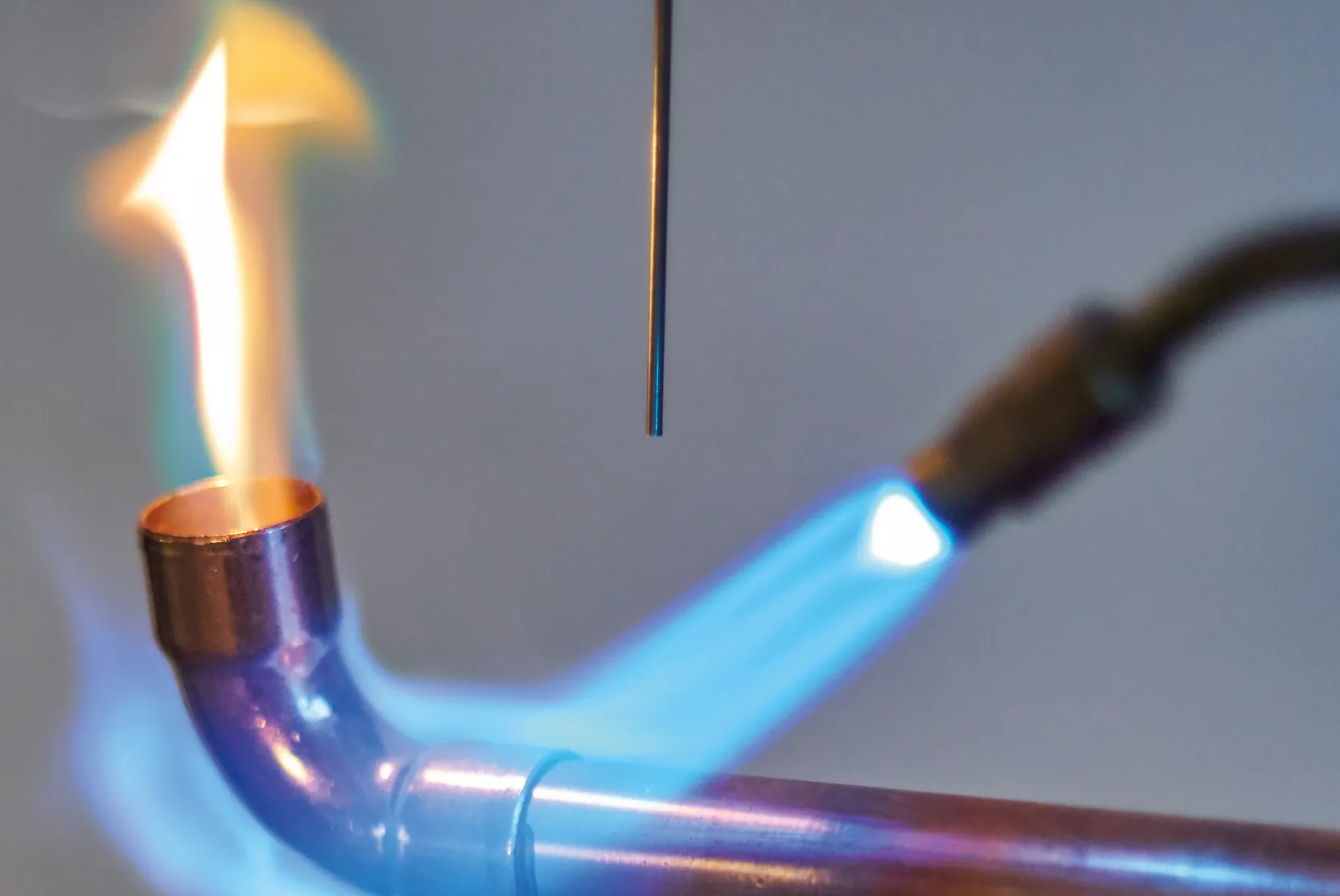
Production of soldered connections in the refrigeration sector
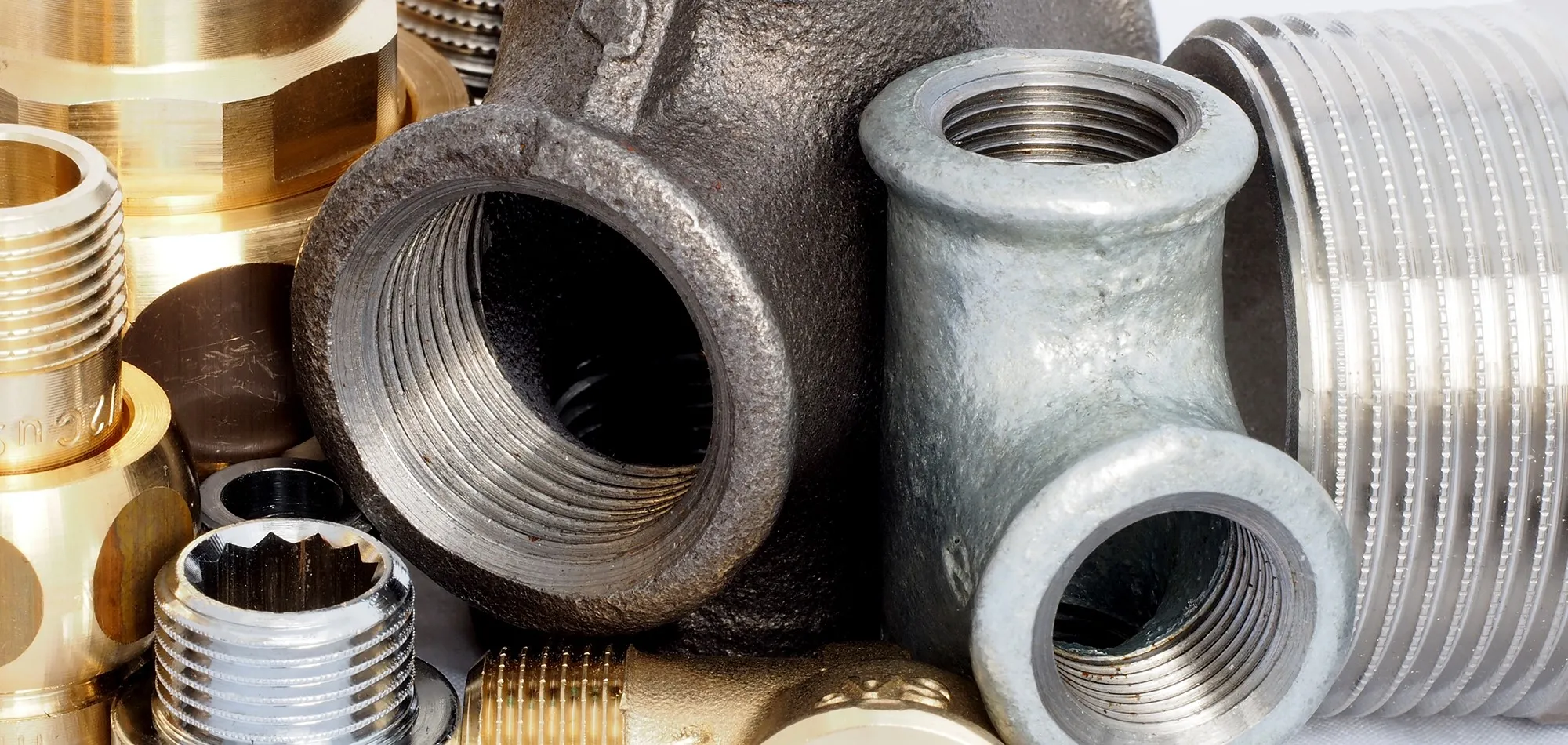
Capillary soldering fittings consist of:
- Deoxidised copper Cu-DHP (CW024A, min. 99.90% Cu)
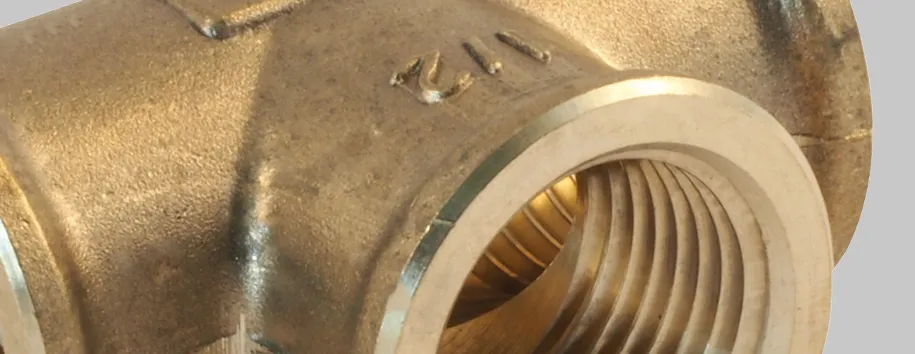
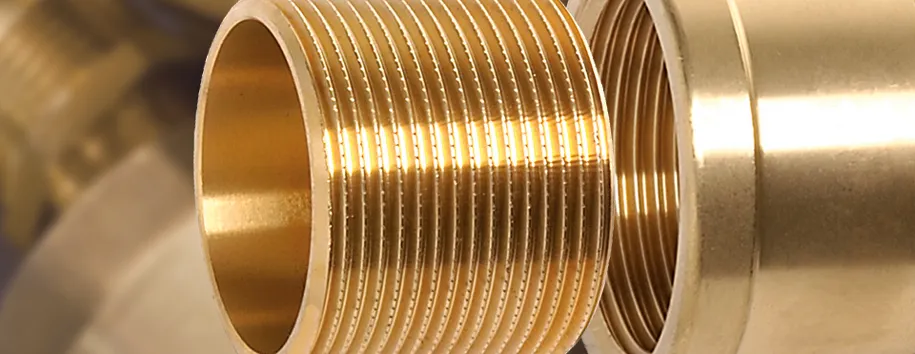
- Copper alloys such as brass (Cu-Zn39Pb2, Cu-Zn40Pb2)
- Red bronze (CC499K, CuSn5Zn5Pb2-C)
- Particularly for high-pressure brazing applications in the transcritical range, the copper-iron alloy CuFe (CuFe2P, CW107C)
Brazing fittings for hard or soft soldering, such as the 5000 series, comply with EN 1254 and can be used in heating, solar and compressed air systems as well as in high-pressure applications such as cooling and refrigeration circuits up to approximately 40 bar.
These fittings are metric, meaning that the dimensions are given in millimetres. The soft solder connection can only be used up to operating temperatures of a maximum of 110 °C and is still occasionally used in drinking water applications. In contrast, soldered connections in gas, liquid gas and oil lines may only be carried out as brazed joints.
Note: Since stagnation temperatures of more than 110 °C can occur in the collector circuit of solar thermal systems, brazing should also be used for soldered connections there.
Important information on the installation of refrigerant lines
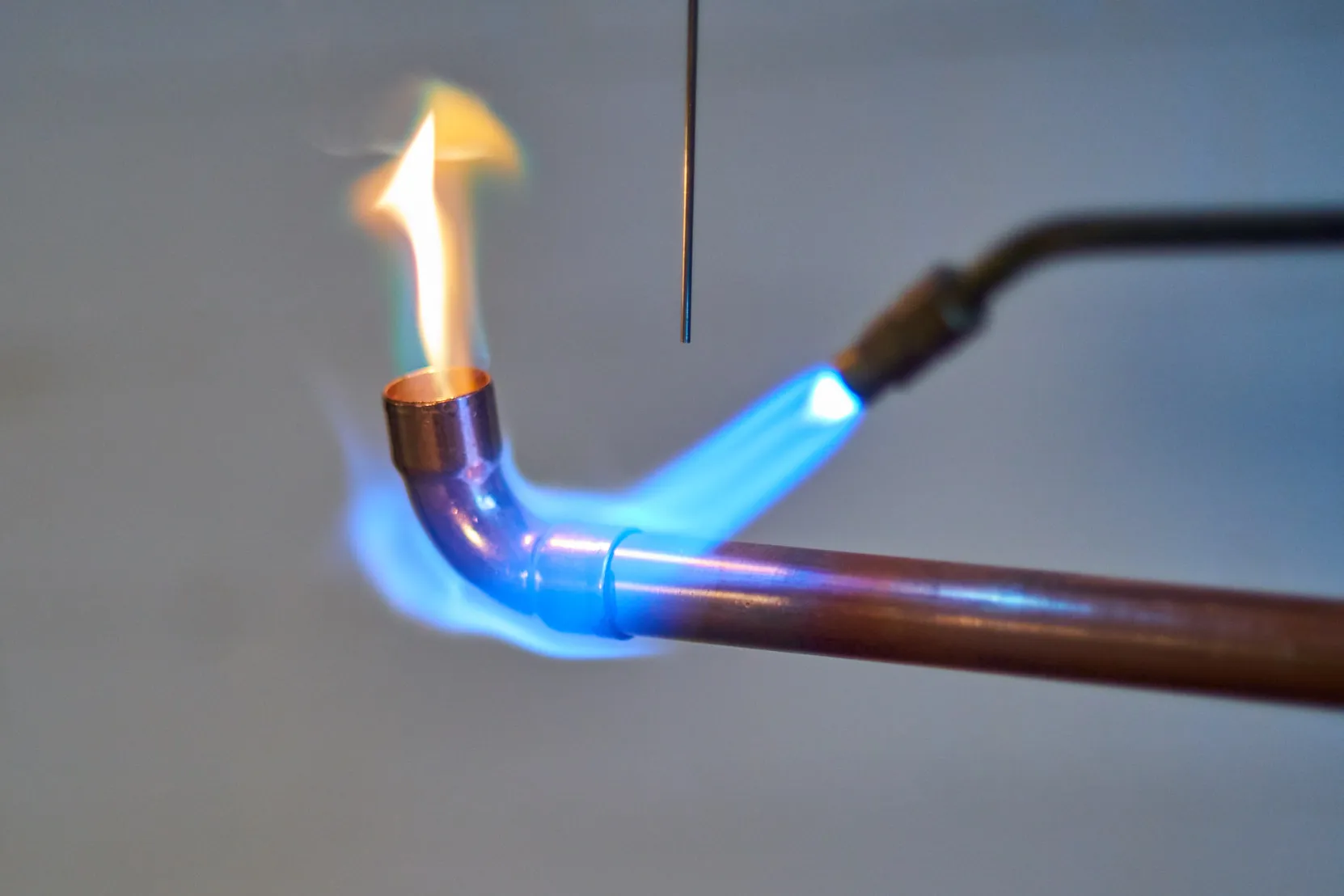
When brazing refrigerant lines, for example for direct evaporator heat pumps, nitrogen must be used as a protective or forming gas to prevent the formation of scale inside the pipe. Scale can damage compressors, clog fittings and promote corrosion.
Regarding blockages: Cleanliness is crucial. Swarf, scale, flux or moisture inside the tube can lead to acid formation, which attacks motor windings or causes copper plating. Inert gases, such as nitrogen or nitrogen-hydrogen mixtures, prevent the formation of scale. The hydrogen content may not exceed 4% by volume.
In refrigeration technology, phosphorus-based solders, such as L-Ag2P, SANHA® catalogue number 4936, L-CuP6 or L-Ag5P, are used alongside silver brazing alloys. These allow copper tubes to be brazed without flux, as phosphorus prevents oxidation. Brazing is carried out in accordance with EN ISO 17672.
Brazing alloys with a high silver content must always be processed with flux. According to DVGW worksheet GW 2, a brazing alloy with a high silver content must generally be used for copper pipe installations in rooms with atmospheres containing ammonia and/or hydrogen sulphide, for example buildings used for agricultural purposes, to avoid corrosion damage. In these cases, the installation and connection points must be protected against external corrosion, for example with corrosion protection tape or heat-shrinkable tubing according to DIN 30672.
Refrigerant lines in refrigeration and air conditioning technology
Refrigerant lines connect indoor and outdoor units. Diameter and length depend on the refrigerant. R-410A, for example, allows for long, slender piping systems. In addition to refrigerant lines, there are control and condensate lines. Air conditioning systems with direct evaporation are called split systems.
When working on air conditioning systems, EN 378-2 must be observed. The following types of piping are distinguished:
- Suction lines
- Pressure lines (hot gas)
- Liquid lines
Important points to consider when planning are:
- Pressure drop
- Oil return
- Compressor protection
Copper tubes in refrigeration
For refrigeration systems, only tubes according to EN 12735-1 may be used. Copper (Cu-DHP) is suitable for temperatures from -269 °C to +250 °C and is resistant to most refrigerants. CO2 systems, like all transcritical applications, require copper alloys that are particularly resistant to pressure.
These include CuFe.
In addition, our RefHP® Declaration of Conformity provides you with a detailed overview of our brand’s products and their dimensions.
Soldering fittings for the transcritical range
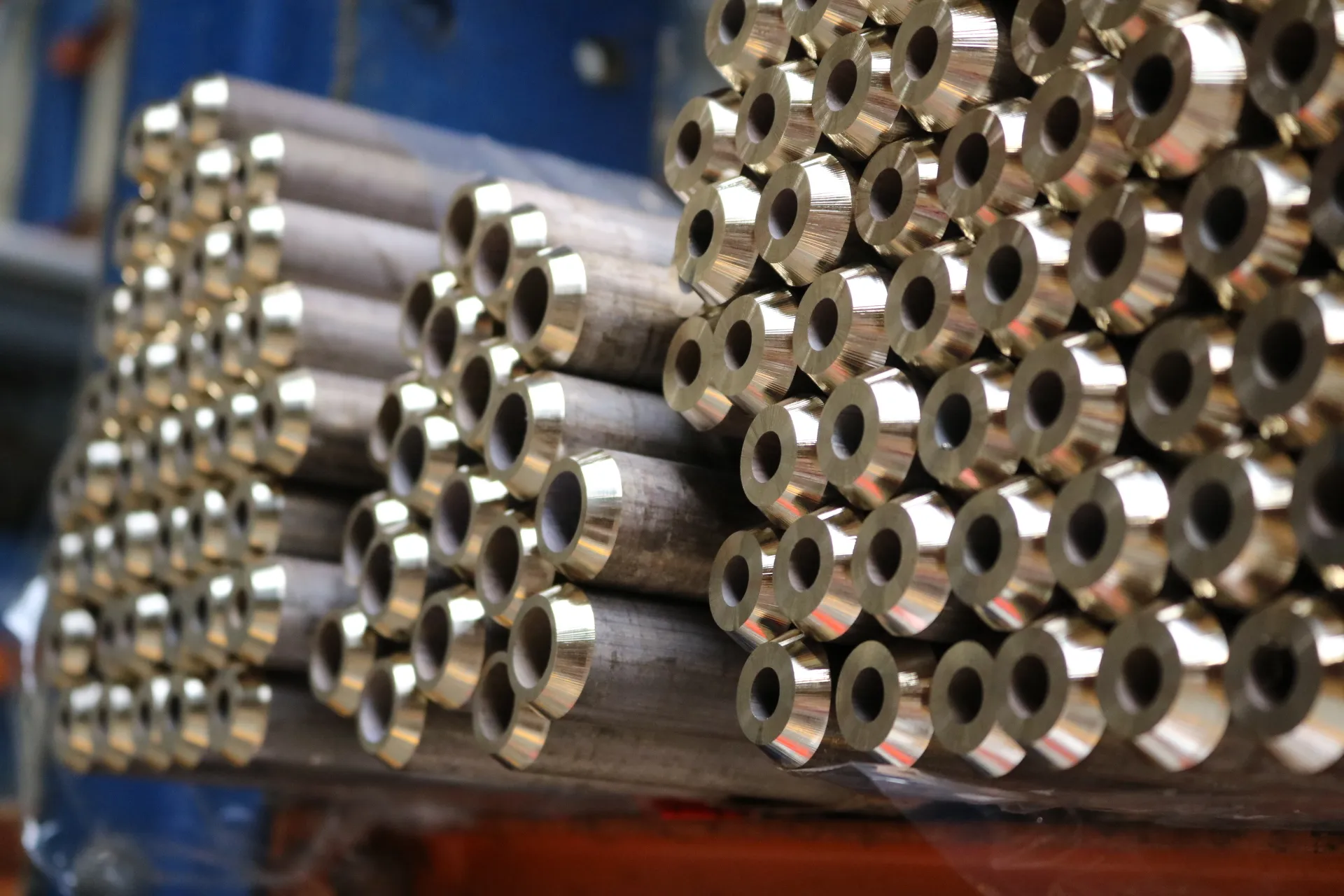
The SANHA® RefHP® high-pressure fittings made of copper-iron alloy were specially designed for higher operating pressures, for example with CO2, based on decades of experience in the field of soldering fittings and can be used up to 130 bar.
The fittings made of copper-iron are ideal for connecting all standard CuFe pipes from Mueller, Halcor, KME and Wieland. With RefHP®, CO2 and other transcritical circuits can be installed safely and quickly.
In particular, supermarkets where cooling systems run around the clock can save up to 25% energy. Another advantage is that SANHA® offers RefHP® in dimensions up to 2 5/8″.
The fittings are now used in numerous well-known supermarket chains in Belgium, the Netherlands, France and Germany, as well as in data centres and other applications.
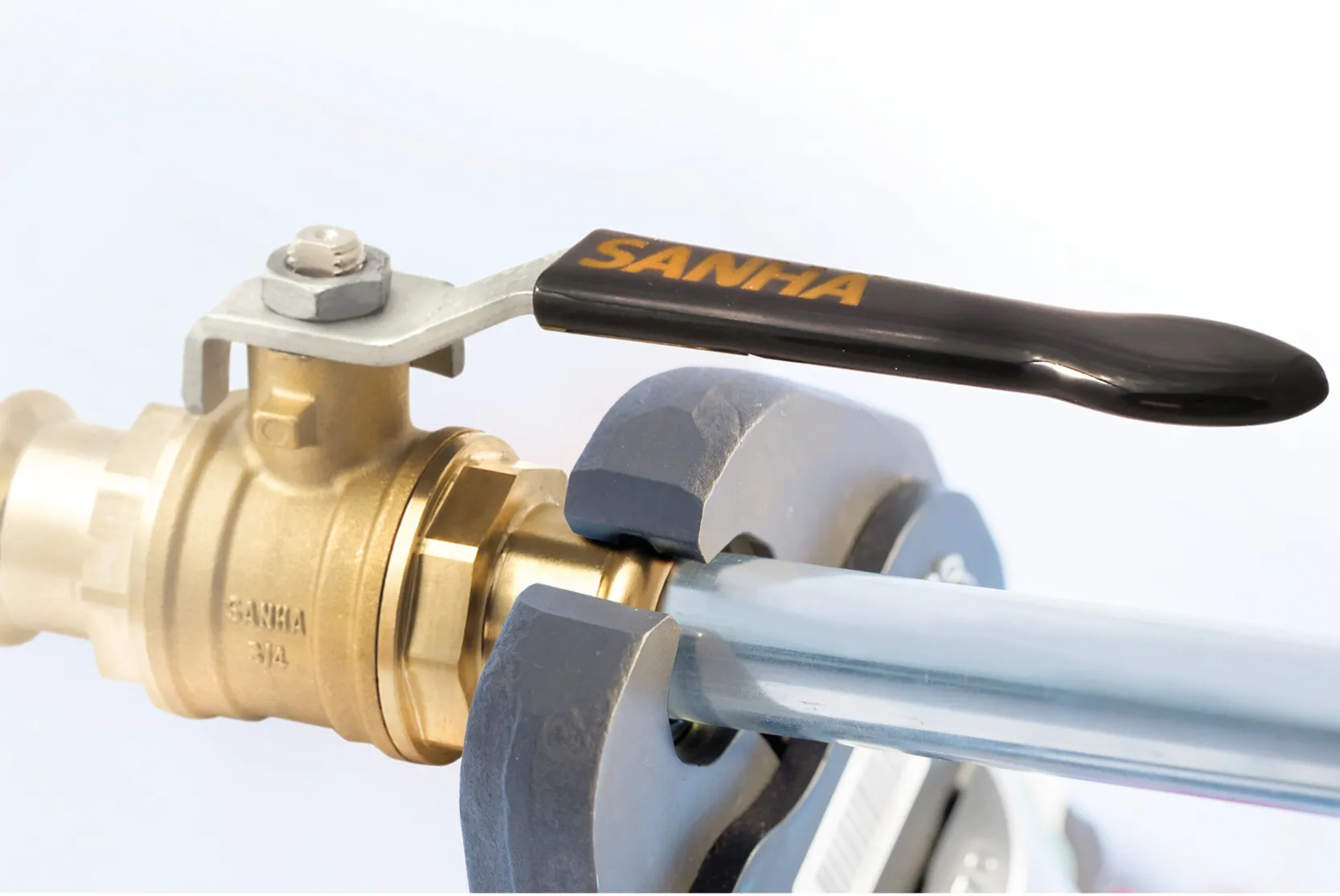
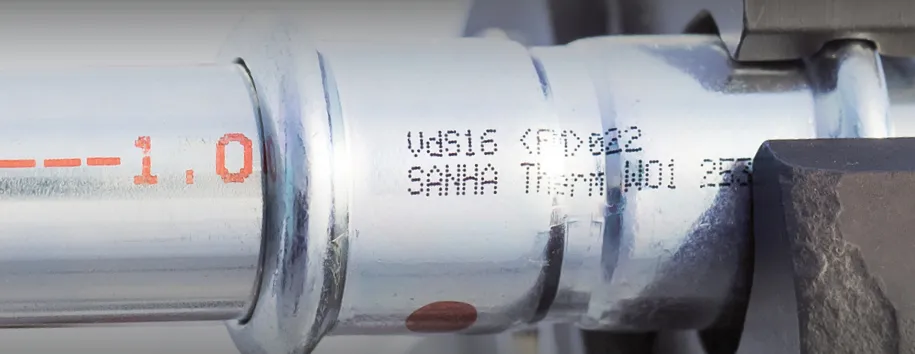
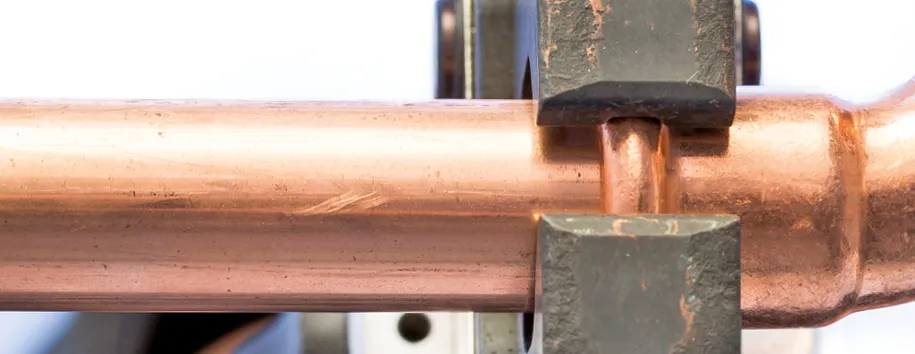
Press fittings up to 48 bar: ACR Copper Press
With ACR Copper Press, SANHA® has recently launched a new press system for applications up to 48 bar. ACR Copper Press is suitable for numerous future-proof refrigerants, VRF/VRV circuits, heat pumps and more.
The new system is characterised by numerous industry-unique features that combine to ensure maximum safety. At the same time, HVACR and VRV/VRF circuits, heat pumps and many other applications can be realised much more quickly.
In particular, when it comes to renovations, a time saving of over 30% has been demonstrated in projects compared to conventional methods such as flanging. The advantage over capillary soldering is even greater, while maintaining the highest level of safety and tightness of the connection.
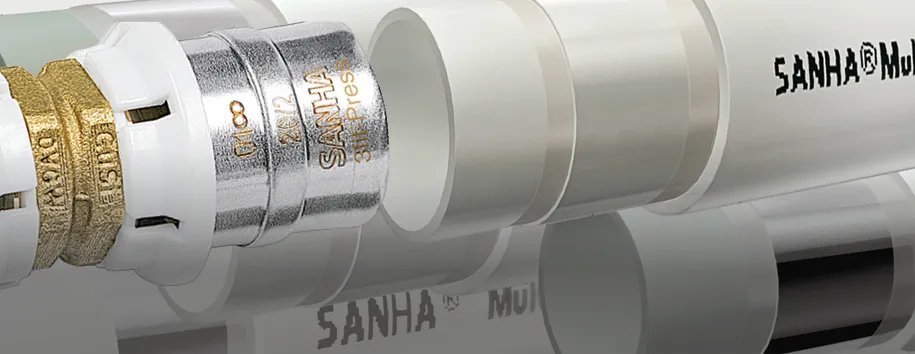
In press-fit technology, a form-fitting connection is created by the joint radial deformation of the fitting and pipe. The sealing function against the escape of the pumped medium is performed by an inserted sealing ring made of an elastic material (elastomer). In this case, there are two sealing rings, forming a double sealing ring.
This means that the connection between the fitting and pipe is produced by double pressing on each side of the fitting (DualSeal™). The sealing zone between the two sealing elements (TrapZone™), its high-sealing D-profile and the particularly round press profile make the connections extremely reliable and durable.
All this results in a very high level of protection against refrigerant loss. ACR Copper Press is available in sizes from ¼″ to 1 3/8″, making it easy to implement even larger circuits.
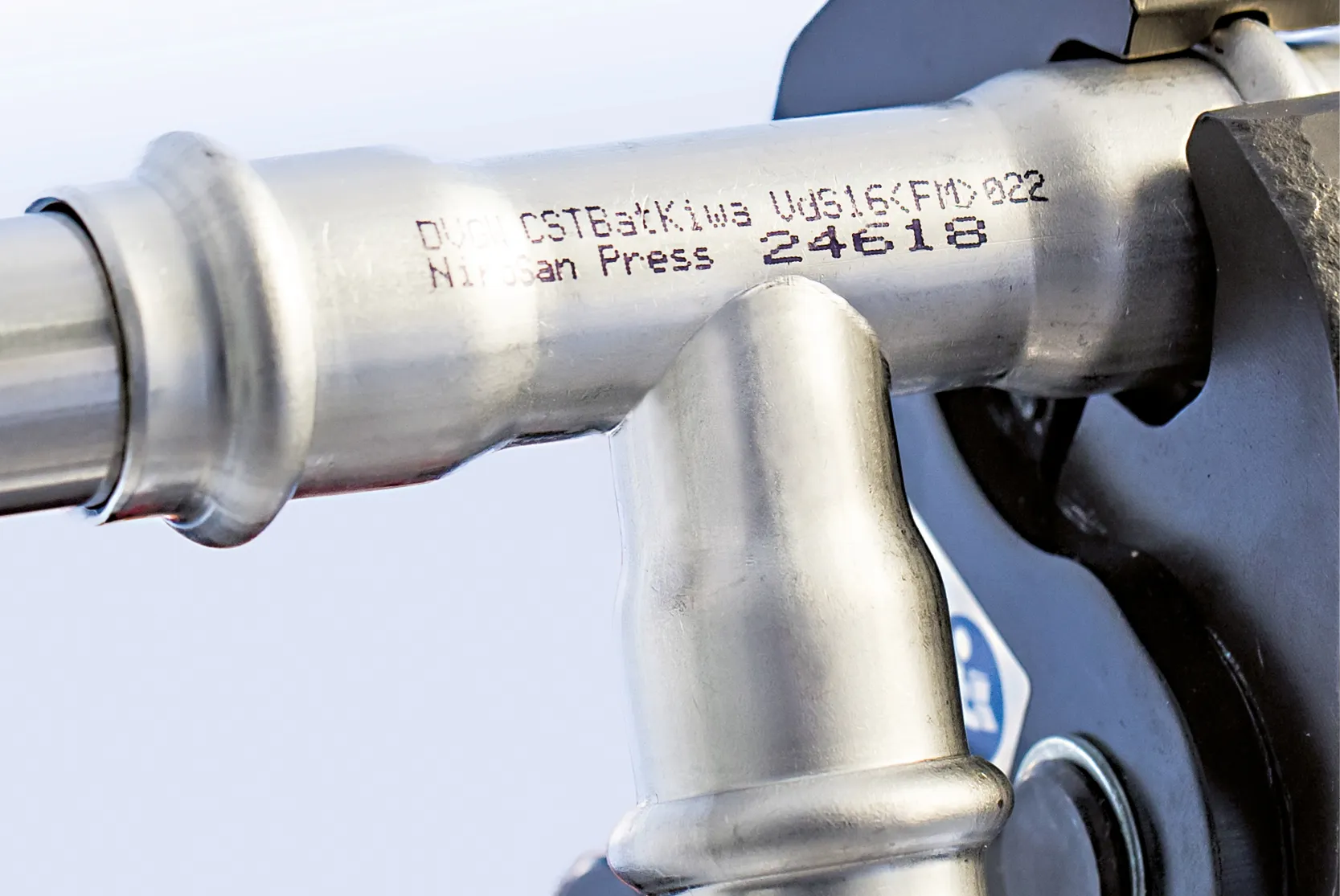
Stainless steel since 2007: NiroTherm®
The NiroTherm® stainless steel system is suitable for cooling systems in the subcritical range, such as glycol, and for heating installations. It was introduced as early as 2007. The Essen-based manufacturer therefore has by far the longest market experience with this piping system.
Pipes and fittings are made of austenitic chrome-nickel stainless steel, material number 1.4301 (AISI 304; NiroTherm®-F: 1.4520/X2CrTi17), and thus offer a high level of protection against corrosion, especially from the outside.
Whether condensation, damp screed or other influences, a time-consuming and labour-intensive protective coating is not necessary due to the high quality of the material. The advantage is obvious, as installers and building owners save a considerable amount of time.
With the introduction of the new nickel-free NiroTherm®-F pipes made of 1.4520 (X2CrTi17), the cost-effectiveness of the system has increased once again. The stainless steel system is suitable for use in cooling installations with glycol.
Product comparison: Which SANHA® solution is the right one?
| Product name | Advantages | Max. pressure |
|---|---|---|
| NiroTherm® | Fast press connection, suitable for water-glycol mixtures, for example | 16 bar |
| Soldering fittings 4000/5000 | Clean processing, good combination of cost-effectiveness and pressure resistance | 45 bar |
| SANHA® ACR Copper Press | Quick press-fit connection, easy installation | Up to 48 bar |
| RefHP® | High stability, compatible with CuFe pipes | Up to 130 bar |
Conclusion
SANHA® offers refrigeration engineers a wide range of piping systems without compromising on safety. Manufacturing quality is continuously and strictly monitored.
In addition, not only the quality of the product but also the effectiveness of the ongoing quality controls are regularly checked by neutral testing institutes according to the strict rules of organisations such as Gütegemeinschaft Kupferrohr e. V. and the DVGW.
Thanks to the high-quality materials and connection technologies, refrigeration and coolant lines can be produced quickly, economically and safely, and systems can be operated efficiently.
In addition, our Downloads section provides an overview of all our product lines and applications, including our Environmental Product Declarations, technical submittals, and product certificates. Can't find what you're looking for? Feel free to contact us, and we'll be happy to help!
Contact us now for a consultation or an offer!
inside-sales@sanha.com | technik@sanha.com
