




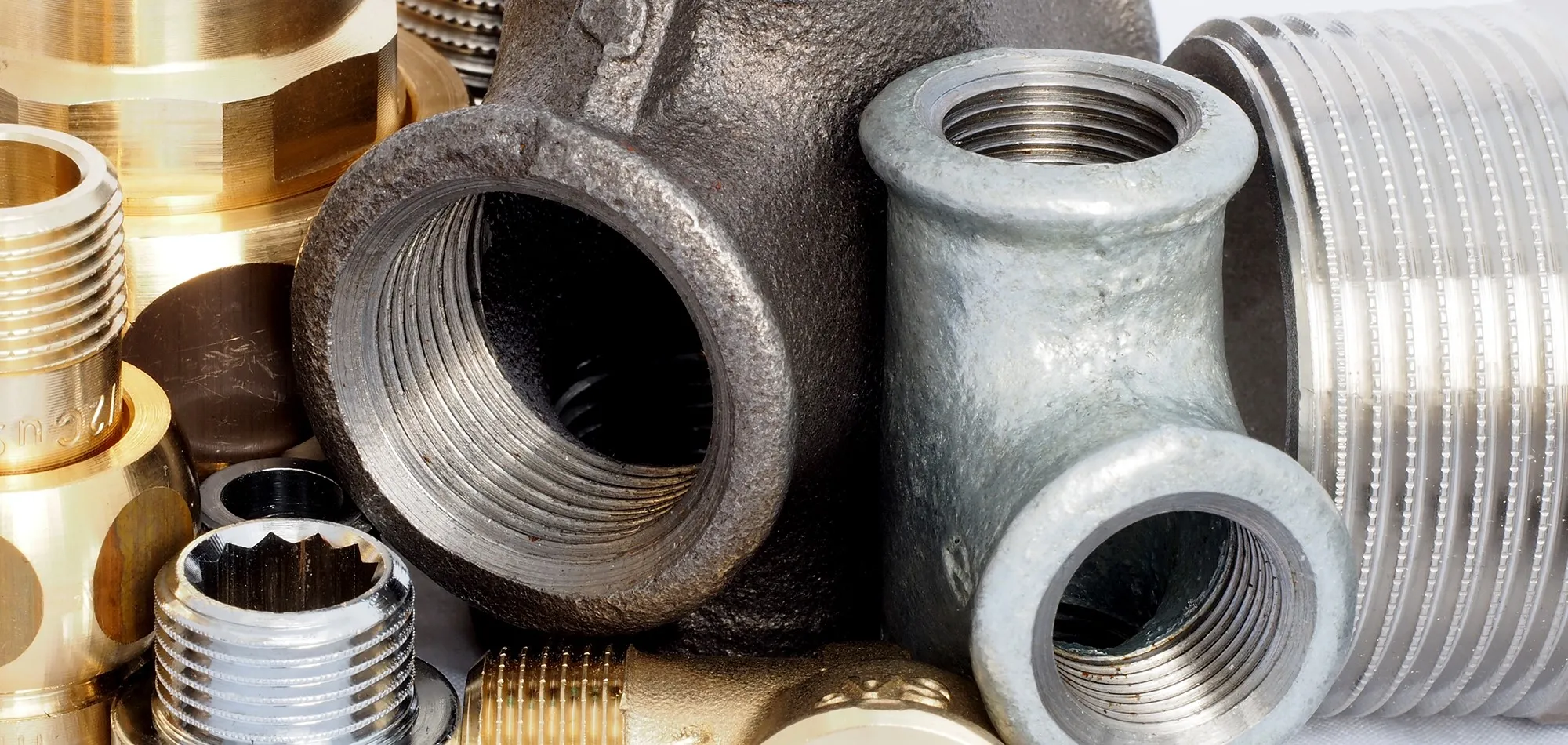
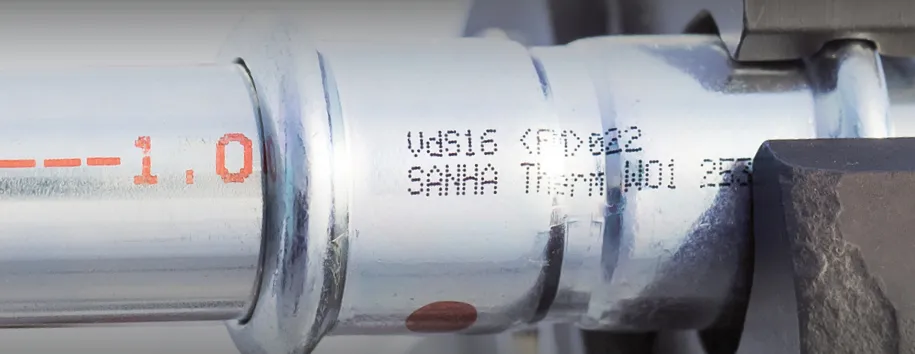
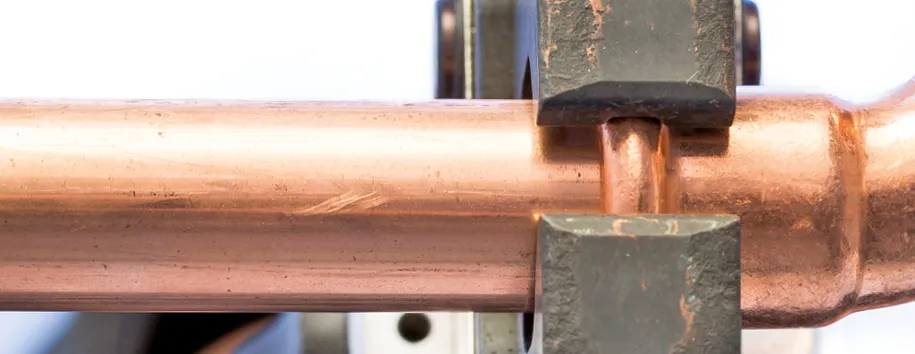









Premium pipework for fuels and oils
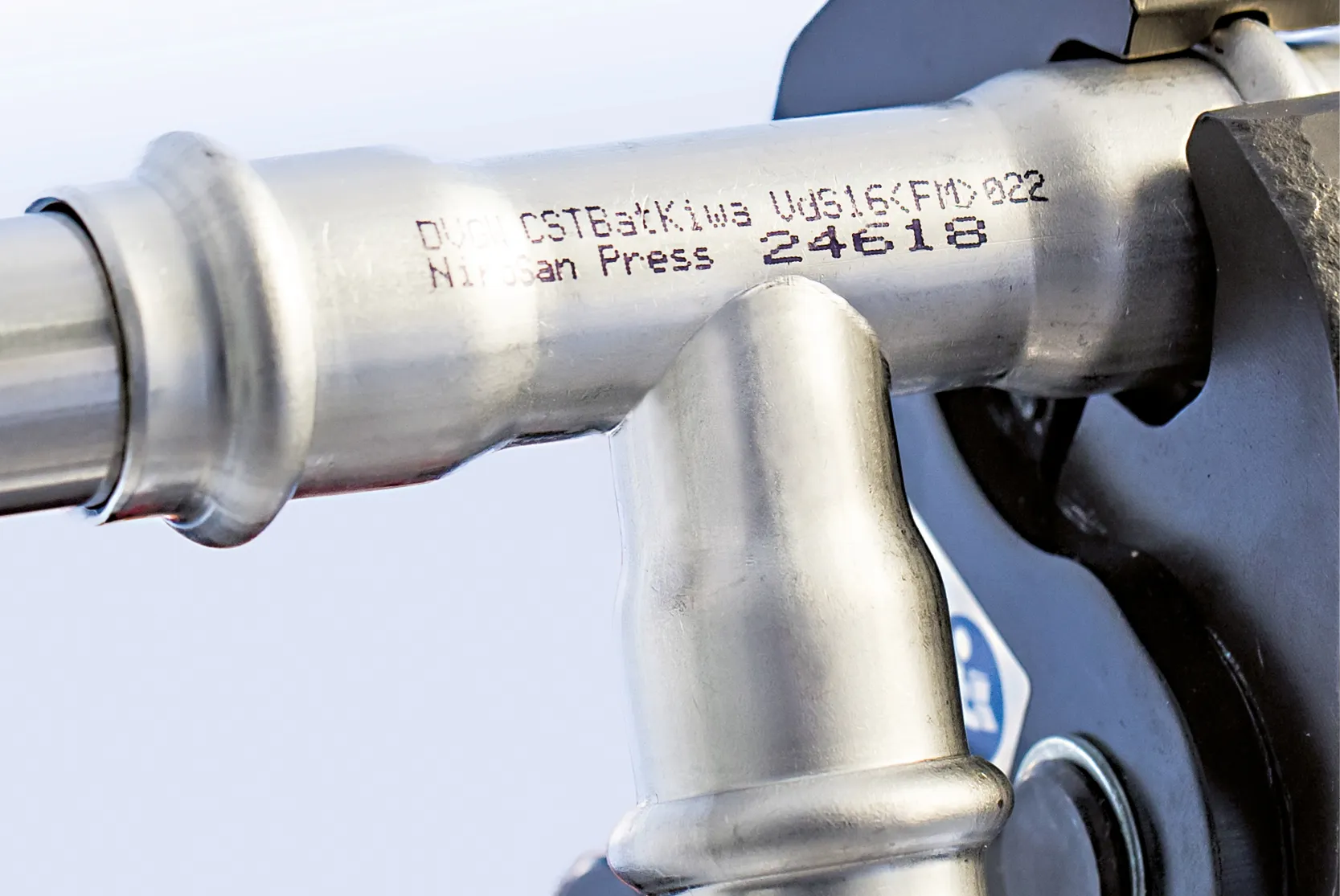
Fuels such as diesel and oils place special demands on a pipework system. Pipes and fittings must have good resistance to strong acids and other aggressive media, be resistant to ageing and weathering and must not release any substances into the media. Based on many years of experience with our pipework systems NiroSan® Industry, NiroTherm® Industry and SANHA®-Therm Industry, SANHA® offers reliable, long-lasting solutions for fuels or heating oils. Flexible systems are therefore available for the chemical industry, the automotive industry, workshops and petrol stations and many other sectors.
Suitable pipes and fittings for fuels and heating oil
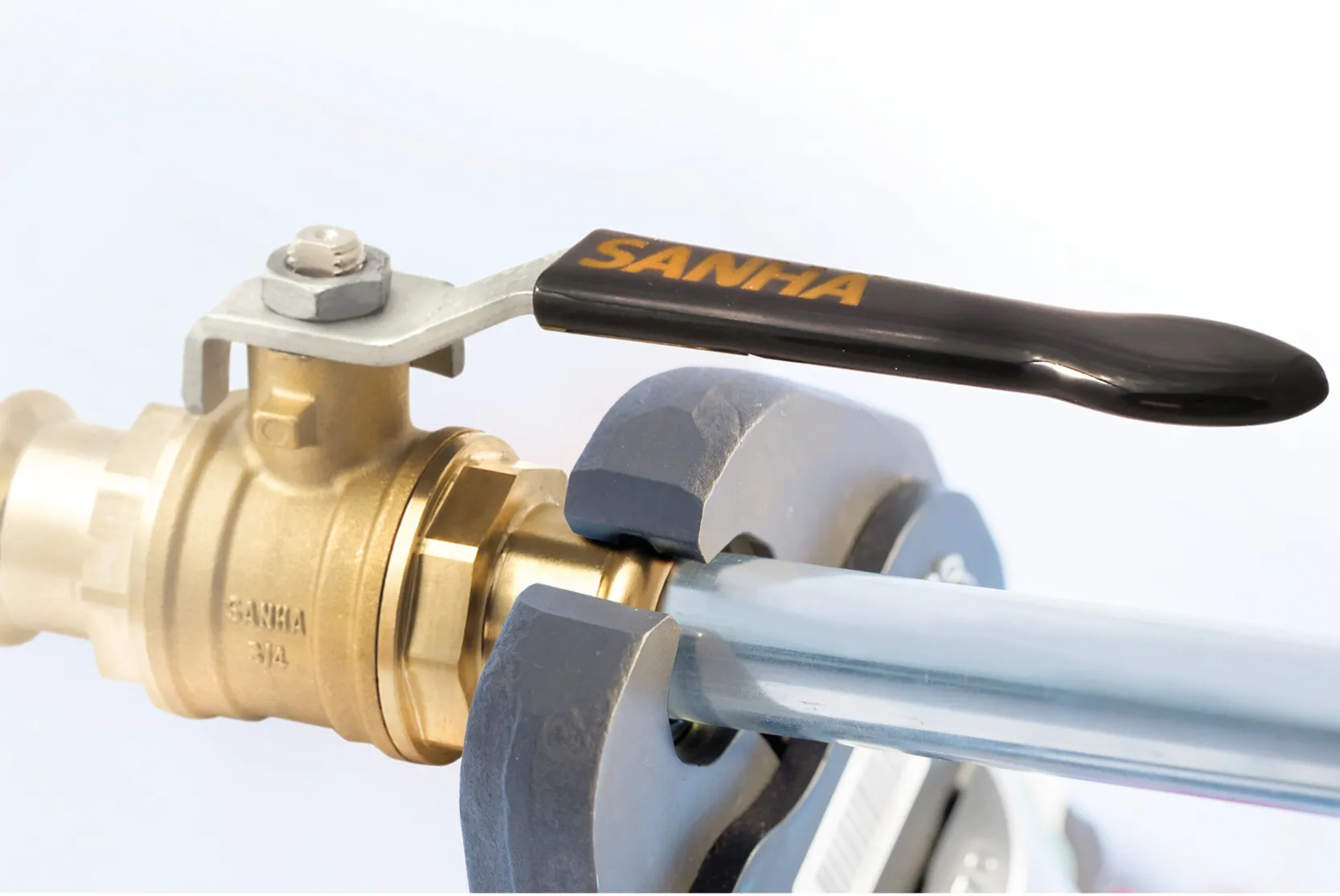
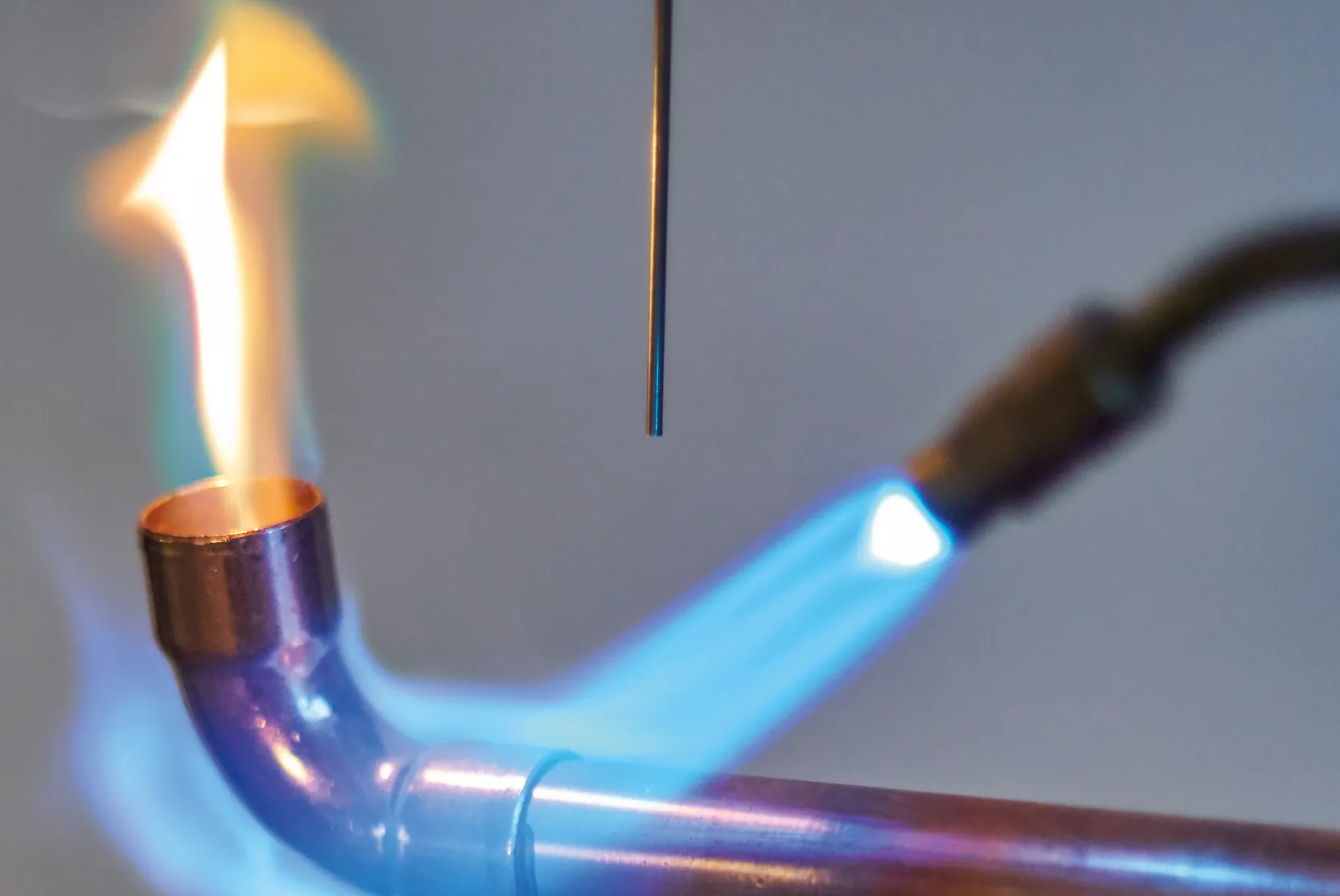
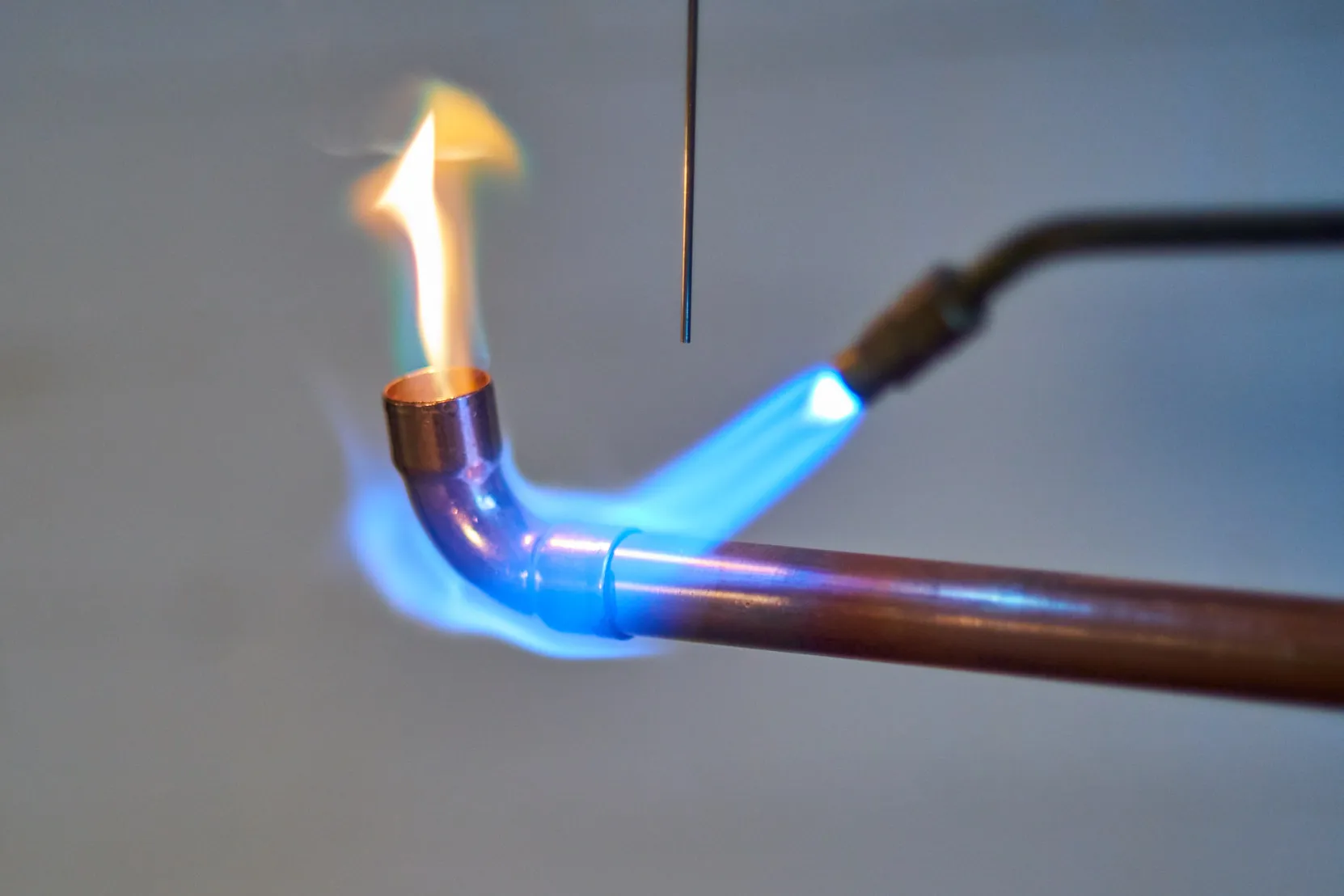
In the past, brazing with capillary solder fittings made of copper and gunmetal was used as a joining technique. However, for economic reasons, among others, press technology has become the more popular connection technology for the installation of pipework for fuels and heating oils.
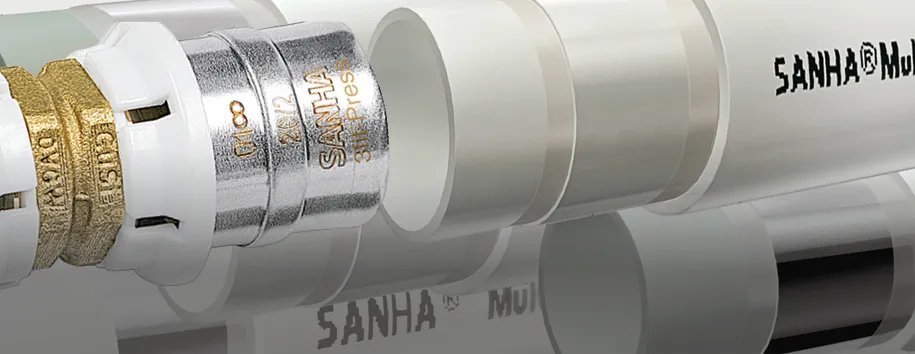
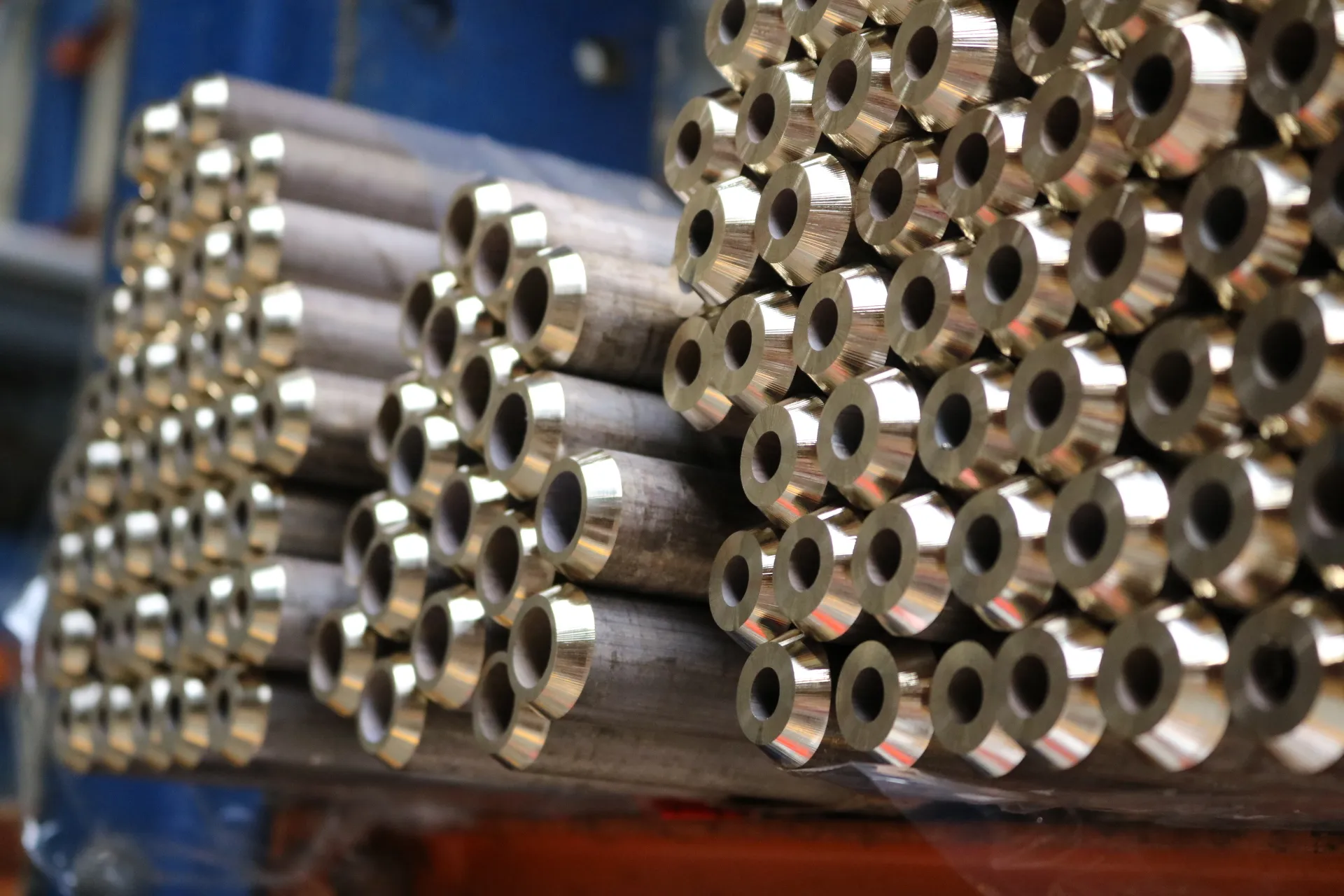
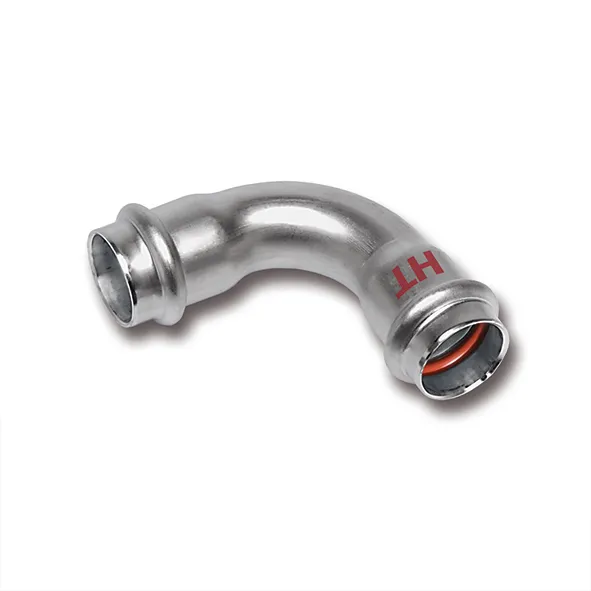
SANHA® offers various suitable pipework systems with FKM sealing rings:
- NiroSan® Industry: Premium stainless steel 1.4404
- NiroTherm® Industry: Stainless steel 1.4301
- SANHA®-Therm Industry: carbon steel
Areas of application for SANHA® piping systems
Heating oil / diesel | Bio-diesel | Petrol RON 95 | Petrol RON 98 | Kerosene | Bio-ethanol | Methanol | Engine oils (SAE) | Transmission oils (SAE) | Waste oils (SAE) | Urea, e.g. AdBlue
For special enquiries, media or projects, please contact our Technical Application Consultancy on 02054 925 170 or by email at technik@sanha.com .
If pipes need to be soldered for individual reasons, our 4000 and 5000 solder fitting series can also be used for hard and soft soldering or with the high-pressure solder fittings of the RefHP series (up to 130 bar / 196 °C). In addition, special requirements can be realised in high quality with custom-made products from our own European factories.
You can find the relevant DiBT technical approval and an overview of other national and international certificates in the "Certificates" section.
Planning, installation and operation of heating oil systems
Heating oils are classified according to
- Heating oil EL (extra-light liquid): Use in building services;
- Heating oil L (light liquid): Use in large boiler systems;
- Heating oil M (medium-liquid): Use in the industrial sector;
- Heating oil S (heavy liquid): Use in the power station sector.
These regulations apply to the planning, installation and operation of heating oil installations:
- DIN 4755: Oil firing systems - Technical regulations for oil firing installations (TRÖl),
- TRwS (Technical Rules for Substances Hazardous to Water) 791
The Technical Rules for Oil Installations (TRÖl) are probably the most important guide for all planners, operators and processors who deal with heating oil systems. These have been available since 2015 in a completely revised edition, the TRÖl 2.0. The guide defines the scope of application on the first pages as follows:
"The Technical Rules for Oil Installations (TRÖl) apply to the planning, construction, modification, maintenance and repair of heating oil consumer installations and oil appliances that are operated stationary with heating oil in buildings and on properties [...]."
In addition, there is the Technical Rule for Substances Hazardous to Water (TRwS) 791 "Heating oil consumer systems". It comprises two parts:
- Part 1 "Construction, operational requirements and decommissioning of heating oil consumer plants" (valid since the beginning of 2015)
- Part 2 "Requirements for existing heating oil consumer installations" (valid since the beginning of 2017)
Different line systems for heating oil and fuel
Three different systems are commonly used for heating oil supply lines
- Single-pipe system: There is only one heating oil pipe, venting takes place directly at the burner via a separate vent valve.
- Two-pipe system: There are two heating oil pipes (flow and return), venting does not take place directly at the burner but via the return pipe in the tank.
- Ring line system: There are two heating oil lines (flow and return) for several burners, venting does not take place directly at the burner but via the return line in the tank.
Suction and pressure lines for heating oil and diesel fuel must withstand an operating pressure of -0.5 bar to 5 bar up to a temperature of 40 °C. For filling lines, an operating overpressure of 6 bar and 40 °C of the flow rate applies. The lines must be subjected to a pressure, function and main test in accordance with DIN 4755-2, Section 4 before commissioning.
"Heating oils and diesel fuels are categorised as substances hazardous to water. Special water protection requirements therefore apply to these systems. The Water Resources Act stipulates that heating oil systems must not pose a risk to the environment."
Design of the heating oil pipe
The heating oil pipes must be dimensioned in accordance with current good engineering practice. For single-line systems, the maximum actual consumption quantity must be used for the design of the pipework.
For two-pipe systems, at least 1.5 times the maximum possible consumption must be used as the basis for dimensioning the heating oil pipe, whereby the flow and return pipes must have the same diameter. The flow should always be in the laminar range. The following flow velocities are therefore recommended:
- Suction line: 0.2 m/s to 0.3 m/s
- Pressure line: 0.4 m/s to 0.5 m/s
In addition, the vacuum in suction lines must not fall below 0.5 bar.
Talk to us - we will be happy to advise you!
